

Most homeowners remember to clean the lint filter after every load, but the dryer vent itself is often overlooked. Over time, lint and debris can collect inside the exhaust duct, restricting airflow and making the dryer work harder.
For many households, dryer vent cleaning in Greer, SC should be scheduled about once a year. However, the right frequency depends on how often you use your dryer, the length and design of the vent, and other household factors. Regular cleaning can help maintain efficient dryer operation and reduce problems caused by lint buildup.
How Often Should You Clean a Dryer Vent?
For most homes, professional dryer vent cleaning once a year is a practical maintenance schedule. However, annual cleaning is not a one-size-fits-all rule.
A household that runs several loads of laundry every week may accumulate lint more quickly than one that uses its dryer occasionally. Homes with long or complicated vent runs can also be more prone to airflow restrictions.
Once a Year Is a Good Starting Point
Annual dryer vent cleaning gives homeowners an opportunity to have the exhaust system checked and cleaned before buildup becomes a significant problem.
It’s important to remember that cleaning the lint screen after every load does not clean the entire dryer exhaust system. Fine lint can pass beyond the filter and accumulate inside the duct over time.
Some Homes May Need More Frequent Cleaning
You may want to discuss a more frequent cleaning schedule with a professional if your household:
- Runs multiple dryer loads each week
- Has a large family
- Has pets that shed heavily
- Uses more than one dryer
- Has a long dryer vent
- Has several bends or elbows in the vent
- Has experienced repeated dryer performance problems
The condition and configuration of the vent system can be just as important as how often the dryer is used.
What Are the Signs Your Dryer Vent Needs Cleaning?
Common warning signs include longer drying times, excessive heat around the dryer, weak airflow from the exterior vent, unusual odors, and lint accumulating in unusual places.
If your dryer suddenly takes much longer to dry clothes than it used to, the vent may have restricted airflow.
Clothes Take Longer to Dry
One of the easiest signs to notice is a change in drying time. If clothes regularly require multiple cycles when one cycle used to be enough, restricted dryer airflow could be contributing to the problem.
The Dryer or Laundry Room Feels Excessively Hot
A dryer naturally produces heat, but unusual heat around the appliance or in the laundry room deserves attention. Restricted exhaust airflow can prevent hot, moist air from leaving the system efficiently.
You Notice a Burning Smell
A burning odor should never be ignored. Stop using the dryer and have the appliance and vent system inspected, particularly if the smell continues or is accompanied by excessive heat.
There Is Excessive Lint Around the Dryer
Finding lint around the appliance or near the exterior vent can indicate an issue with the exhaust system. While some lint around a dryer is normal, unusual accumulation warrants closer inspection.
Airflow From the Outside Vent Is Weak
When the dryer is running, air should generally be moving through the exterior exhaust vent. Weak airflow may indicate a restriction somewhere in the vent system.
Why Is Dryer Vent Cleaning Important?
Regular dryer vent maintenance is about more than keeping the duct clean. A clear exhaust path allows hot, moist air to leave the dryer more effectively.
It Helps Reduce Lint Buildup
Lint can accumulate inside the dryer duct even when the lint filter is cleaned regularly. Over time, this buildup can restrict airflow.
Professional dryer duct cleaning can remove accumulated lint and debris from portions of the exhaust system that aren’t addressed by routine lint-filter cleaning.
It Can Support Better Dryer Efficiency
When airflow is restricted, a dryer may need to run longer to get clothes completely dry. Longer cycles can increase energy use and place additional operating demands on the appliance.
Keeping the exhaust path clear can help the dryer move moisture and warm air outside more effectively.
It Helps Address Potential Fire Hazards
Lint is combustible, which is why accumulated lint and restricted airflow shouldn’t be ignored. Regular dryer vent maintenance can help address conditions associated with lint buildup and overheating.
Cleaning the vent doesn’t replace proper dryer operation or appliance maintenance, but it is an important part of overall dryer safety.
What Can Affect How Often Your Dryer Vent Needs Cleaning?
There isn’t a single schedule that works for every household. Several factors can affect how quickly a dryer vent accumulates lint.
How Frequently You Use Your Dryer
The more laundry loads you run, the more lint and moisture move through the exhaust system. Households doing several loads each week may need to pay closer attention to vent condition.
The Length and Layout of the Vent
Long dryer ducts and vents with multiple bends can make it more difficult for air to move freely. Certain vent configurations may also make sections of the duct harder to access and inspect.
Pets and Household Lint
Pet hair and household debris can add to the material passing through the dryer system. Homes with multiple shedding pets may benefit from more frequent inspections.
The Age and Condition of the Vent System
Older or damaged vent systems may have additional issues beyond lint buildup. Disconnected, crushed, damaged, or improperly configured ductwork should be evaluated by a professional.
Dryer Vent Cleaning vs. Cleaning the Lint Trap
These are two different maintenance tasks.
What You Should Do After Every Load
Clean the lint screen after each dryer cycle according to the manufacturer’s recommendations. Keeping the area around the dryer clean and unobstructed is also a good practice.
What Professional Vent Cleaning Addresses
Professional cleaning focuses on the dryer exhaust pathway beyond the lint screen. Depending on the system, this can involve removing lint and debris from the vent or duct and checking for airflow restrictions or other visible problems.
Cleaning the lint filter regularly is essential, but it shouldn’t be considered a substitute for periodic dryer vent maintenance.
Can You Tell If Your Dryer Vent Is Clogged?
Sometimes you can identify a clogged dryer vent through changes in dryer performance, but not every restriction produces obvious symptoms.
Look for longer drying cycles, unusual heat, weak exterior airflow, burning odors, or excessive lint.
What Homeowners Can Check
You can safely pay attention to:
- Whether drying times have increased
- Whether the dryer or surrounding area feels unusually hot
- Whether the exterior vent has noticeable airflow
- Whether the lint filter is being cleaned properly
- Whether unusual odors are present
If you notice a burning smell, smoke, sparks, or another potentially dangerous condition, stop using the dryer and seek professional assistance.
When to Have a Professional Inspect It
Professional inspection can be especially useful when symptoms persist, the vent is long or difficult to access, or you suspect a blockage.
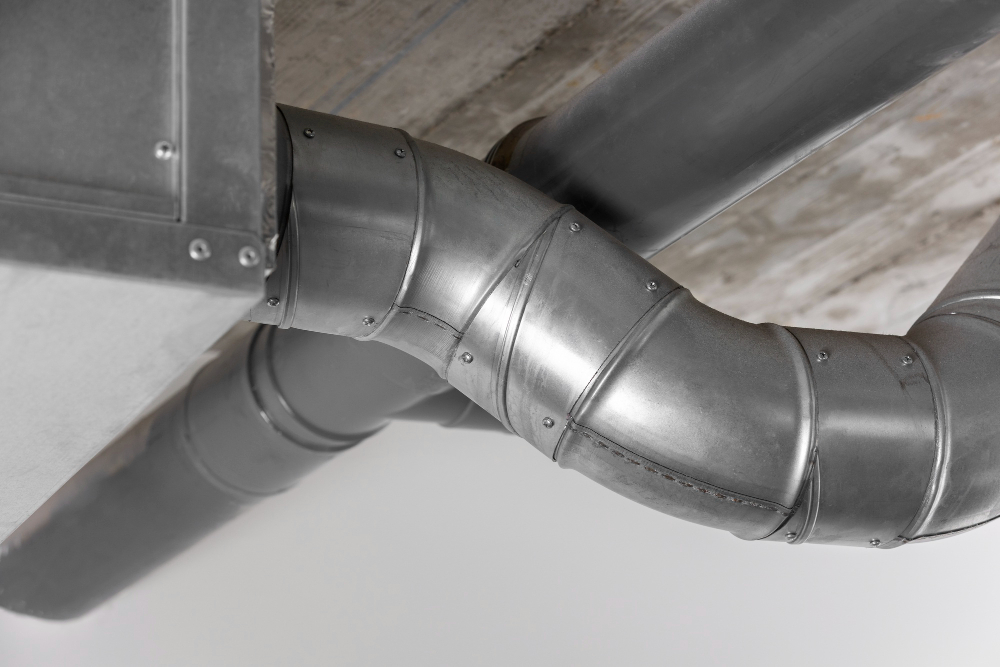
When Should Greer, SC Homeowners Schedule Dryer Vent Cleaning?
For many households, scheduling professional dryer vent cleaning once a year is a sensible starting point. You don’t necessarily have to wait until the dryer develops a problem.
Adding dryer vent maintenance to your annual home-maintenance checklist can make it easier to keep track of the last cleaning.
At the same time, don’t wait for your annual appointment if you notice significant changes in dryer performance, excessive heat, unusual odors, or other warning signs.
Why Choose Reliable Heating & Air?
Reliable Heating & Air serves homeowners and businesses throughout Greer and the surrounding Upstate South Carolina area.
The company takes an owner-operated approach, with its master technician also involved in the day-to-day field work. Reliable Heating & Air also emphasizes accurate diagnostics, straightforward pricing, and avoiding unnecessary services.
For homeowners looking for help with HVAC-related maintenance and indoor comfort, working with a local team can make it easier to get professional guidance based on the property’s specific needs.
Frequently Asked Questions About Dryer Vent Cleaning
How often should I have my dryer vent professionally cleaned?
For many households, once a year is a reasonable starting point. Homes with frequent dryer use, long vents, multiple bends, or other contributing factors may require more frequent attention.
What are the signs of a clogged dryer vent?
Common signs include longer drying times, excessive heat, weak airflow from the outside vent, unusual odors, and unusual lint buildup.
Does cleaning a dryer vent improve dryer efficiency?
Removing lint and airflow restrictions can help the dryer exhaust hot, moist air more effectively, potentially reducing unnecessarily long drying cycles.
Can a clogged dryer vent be dangerous?
Yes. Lint accumulation and restricted airflow can contribute to overheating and increase fire hazards. Regular maintenance is one way to address these risks.
Should I clean my dryer vent if my dryer seems to work normally?
Routine maintenance can still be worthwhile because some lint buildup or airflow restrictions may not produce obvious symptoms.
How much does dryer vent cleaning cost in Greer, SC?
The cost can vary depending on factors such as the length and accessibility of the vent, the amount of buildup, and the configuration of the exhaust system. A professional assessment can provide a more accurate estimate.
Schedule Dryer Vent Cleaning in Greer, SC With Reliable Heating & Air
Don’t wait for a dryer problem to become a bigger household concern. If your dryer is taking longer to dry clothes, producing unusual heat, or showing other signs of restricted airflow, Reliable Heating & Air can help you determine whether professional service is needed.
Reliable Heating & Air
- Address: 3530 Jug Factory Rd, Greer, SC, 29651
- Phone: (864) 354-8448
- Email: office@reliableupstate.com
- Reliable Heating & Air on Google Maps
Contact Reliable Heating & Air to discuss your dryer vent maintenance needs and schedule an appointment.